

stand up mirror with lights
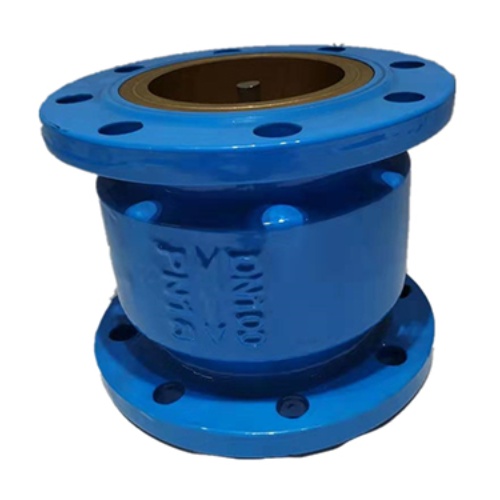
Understanding Liquid Transfer Check Valves A Critical Component in Fluid Management In various industries, liquid handling is an essential process, whether it's in chemical manufacturing, food and beverage production, or pharmaceuticals. One crucial component that ensures smooth and efficient liquid transfer is the check valve. Specifically, liquid transfer check valves play a vital role in preventing backflow, maintaining the integrity of the system, and optimizing fluid dynamics. What is a Liquid Transfer Check Valve? A check valve, also known as a non-return valve, is a type of valve that allows fluid to flow in one direction while preventing it from reversing. Liquid transfer check valves are specifically designed for applications where fluids need to be moved from one point to another without the risk of backflow, which could lead to contamination, loss of pressure, or equipment damage. These valves come in various designs and materials, suited to different applications and fluid types. Common designs include swing check valves, ball check valves, and diaphragm check valves. The choice of valve often depends on factors such as the nature of the fluid, pressure conditions, and the specific requirements of the application. Importance of Liquid Transfer Check Valves 1. Prevention of Backflow The primary purpose of check valves is to prevent backflow in piping systems. Backflow can lead to contamination of the liquid, which is particularly critical in industries such as pharmaceuticals and food processing. By ensuring one-directional flow, check valves help maintain the quality of the liquid being transferred. 2. Pressure Maintenance Liquid transfer check valves help maintain system pressure by ensuring that liquids flow in the intended direction without the risk of pressure drops caused by backflow. This is essential in keeping pumps and other equipment operational and efficient. 3. System Protection By preventing backflow, check valves protect pumps and downstream equipment from potential damage. Backflow can introduce turbulence and stress that may lead to mechanical failure over time. 4. Improved Efficiency With a properly functioning check valve, the efficiency of the liquid transfer system is enhanced. The design of these valves minimizes flow resistance, allowing for smoother fluid movement and energy savings. Applications of Liquid Transfer Check Valves Liquid transfer check valves find applications in various sectors liquid transfer check valve - Chemical Processing In the chemical industry, these valves are vital for transporting volatile chemicals and preventing hazardous backflow that could lead to leaks or spills. - Water and Wastewater Management In municipal water systems, check valves are used to prevent backflow in pipelines and protect the integrity of water supply systems. - Food and Beverage Industry Maintaining hygiene is paramount in the food industry. Liquid transfer check valves ensure that food products are not contaminated by backflow from auxiliary systems. - Pharmaceuticals In pharmaceutical manufacturing, check valves are crucial to maintaining the purity of compounds during transfer, safeguarding against any cross-contamination. Selecting the Right Liquid Transfer Check Valve When choosing a liquid transfer check valve, several factors must be considered - Fluid Characteristics The type of fluid (corrosive, viscous, etc.) will dictate the materials used in the valve's construction. For instance, stainless steel may be required for corrosive liquids. - Pressure and Temperature Ratings Valves must be selected based on the operating pressure and temperature to ensure safety and durability. - Flow Characteristics The valve design should accommodate the required flow rates and minimize pressure loss. - Installation Orientation Some check valves have specific orientation requirements for proper operation, influencing the installation process. Conclusion Liquid transfer check valves are an indispensable element in fluid management systems across various industries. They ensure the safe and efficient transfer of liquids while providing protection against backflow and maintaining system integrity. By understanding the function and importance of these valves, industry professionals can make informed choices that enhance the performance and reliability of their liquid handling systems. Investing in high-quality check valves is essential for any operation that prioritizes safety, efficiency, and quality in liquid transfer processes.
about
stand up mirror with lights
Understanding the Nail Plate OEM Business In the world of beauty and personal care, nail products have gained immense popularity, with an increasing focus on quality, design, and convenience. However, one area that often remains under the radar is the phenomenon of Nail Plate OEM (Original Equipment Manufacturer). This business model plays a vital role in the production and distribution of nail plates, allowing companies to offer unique and high-quality products without having to invest heavily in manufacturing facilities. In this article, we will explore the intricacies of Nail Plate OEM, its benefits, and its impact on the beauty industry. What is Nail Plate OEM? Nail Plate OEM refers to the process where a company designs and develops products such as artificial nails, nail wraps, or nail stickers and outsources the manufacturing to another company that specializes in producing these items. The OEM partner handles the production process, ensuring that the products meet specific quality standards and branding requirements that the original company outlines. This arrangement allows the original company to focus on marketing and brand development rather than managing complex manufacturing processes. Companies can customize their products, from colors and patterns to shapes and sizes, while the OEM partner takes care of the production logistics, quality control, and regulatory compliance. Advantages of Nail Plate OEM 1. Cost Efficiency One of the primary advantages of the OEM model is cost reduction. By outsourcing production, brands can save on labor, materials, and overhead costs associated with operating a manufacturing facility. This financial freedom enables companies to invest more in research, development, and marketing strategies. 2. Faster Time-to-Market In the highly competitive beauty industry, launching products quickly is crucial. By partnering with an OEM, companies can significantly reduce the time it takes from concept to market. The OEM can begin manufacturing as soon as designs are finalized, enabling brands to respond to trends and consumer demands promptly. 3. Quality Control Established OEM manufacturers typically have extensive experience and specialized knowledge in producing nail products. This expertise allows for better quality control and consistency in production. Brands can rest assured that their products will meet high-quality standards, enhancing their reputation in the marketplace. nail plate oem 4. Customization Nail Plate OEM allows for high levels of customization. Companies can offer a plethora of designs, sizes, and finishes without the need for heavy investment in machinery or resources. This flexibility is invaluable in catering to diverse consumer preferences and trends. 5. Focus on Core Competencies By outsourcing manufacturing, companies are free to concentrate on their core competencies, such as branding, marketing, and customer engagement. This strategic focus can lead to enhanced innovation and a stronger market presence. The Challenges of Nail Plate OEM While the Nail Plate OEM model offers numerous advantages, it is not without challenges. Communication between the brand and the OEM is crucial to ensure that the final product aligns with the brand’s vision. Misunderstandings or lack of clarity can lead to production delays or subpar products. Additionally, companies must carefully select their OEM partners. The wrong choice could compromise quality and affect the brand’s reputation. Brands need to conduct thorough due diligence, assessing the OEM’s capabilities, past performance, and alignment with their values and standards. Conclusion Nail Plate OEM is a powerful strategy in the beauty industry that enables companies to deliver innovative and high-quality nail products to consumers. This model offers significant advantages, including cost efficiency, faster time-to-market, quality control, and design flexibility. However, it also requires careful consideration and management to mitigate potential challenges. As beauty trends continue to evolve, the Nail Plate OEM industry is likely to expand further, offering diverse options for consumers and presenting exciting opportunities for brands looking to make their mark in the competitive cosmetics market. Companies that understand and leverage the benefits of Nail Plate OEM will be well-positioned to thrive in this dynamic industry.
-

High quality industrial productsagement

High quality industrial products
View Details -

Meet the diverse needs of customers

Meet the diverse needs of customers
View Details -

Strict quality control

Strict quality control
View Details -

Top raw materials

Top raw materials
View Details -

Trusted supplier

Trusted supplier
View Details
Our application

news and information

Ustawiony wskaźnik
Zestaw wskaźników pinowych – niezastąpione narzędzie w precyzyjnym pomiarze W dzisiejszym świecie, g
Wskaźnik pierścienia gwintowego npt
Narzędzie pomiarowe Przyrząd do gwintów NPT - Przewodnik po użyciu i znaczeniu W świecie inżynierii
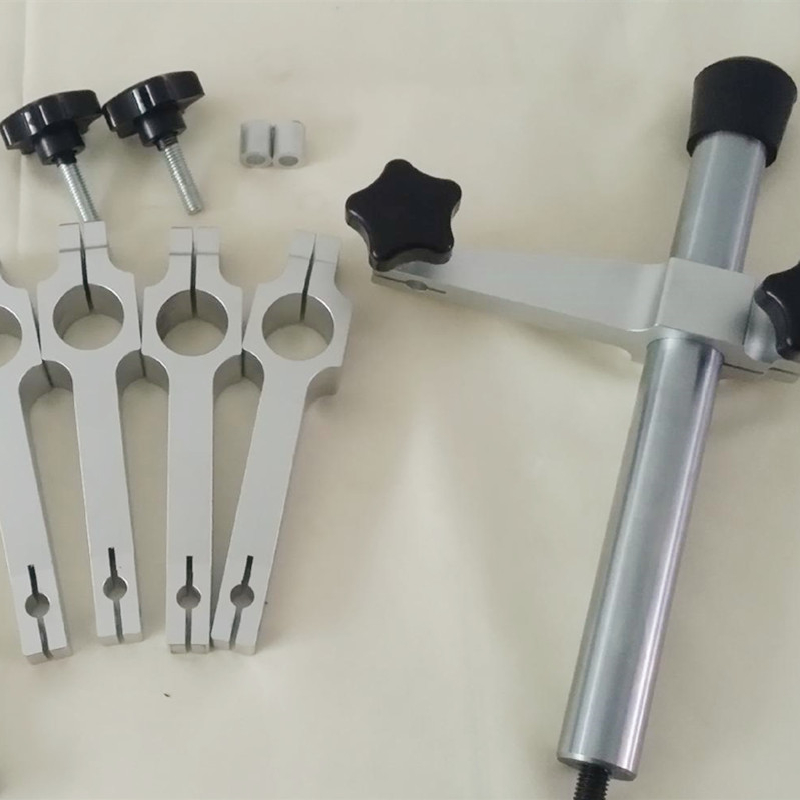
Versatile 3D Welding Table for Enhanced Fabrication and Precision Work
The Importance and Advantages of 3D Welding Tables in Modern Fabrication In the world of metal fabri
 English